- AI Toast
- Posts
- Claude Code moves into your Slack
Claude Code moves into your Slack
Plus: Build games without any coding skills

Poonam Soni
December 09, 2025
In partnership with

Welcome to AI Toast!
Here’s what’s on the menu today:
Claude Code moves into your Slack
Google Doppl Adds Shoppable Feed
ChatGPT turns off app suggestions that look like ads
Superhero Tools to build your startup
How to create games with Replit
Quick AI Toasts: Instacart x ChatGPT
Total read time: About 5 minutes, perfect for a quick coffee break without leaving slack.
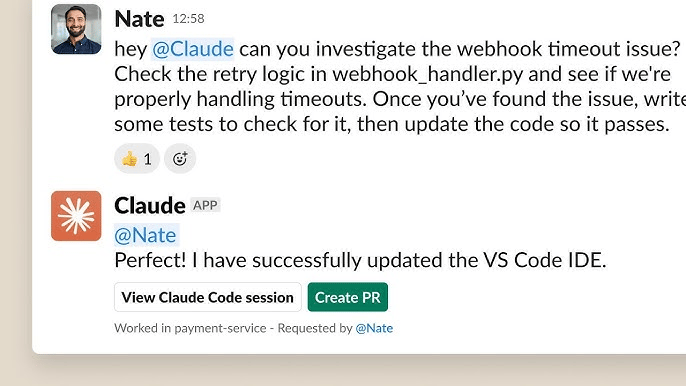
Image Source: Anthropic YouTube
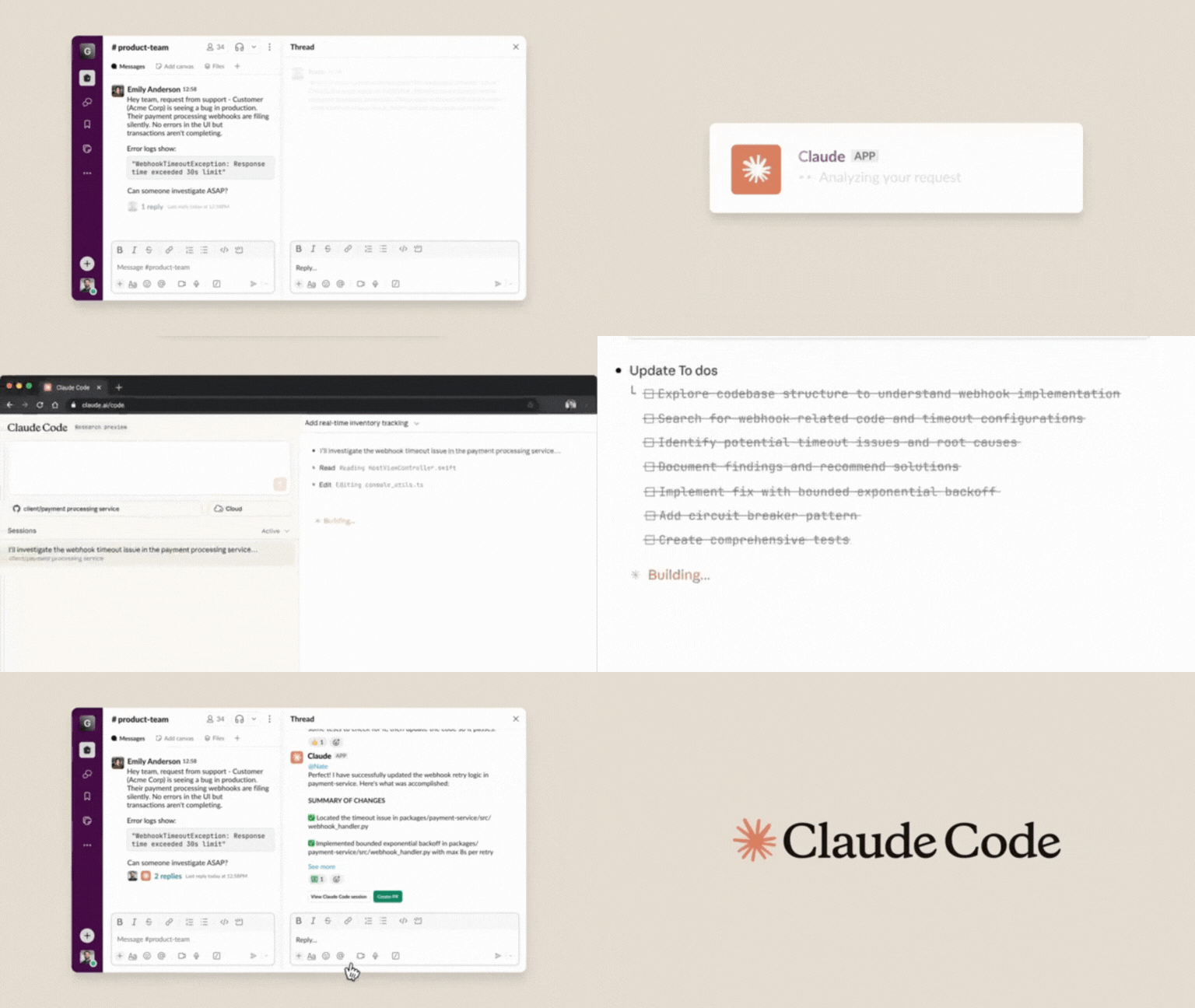
Anthropic is bringing Claude Code straight into Slack, so teams can move from “Who reported this bug?” to “Here’s the fix” without leaving their main workspace. It treats Slack threads as live context for coding work instead of just chatter.
Claude can be tagged in any channel or thread to turn a bug report, feature request, or code discussion into a dedicated Claude Code session.
It pulls recent channel and thread history, so error messages, user reports, and teammate comments all feed into the coding context automatically.
Once Claude detects a coding task, it spins up a Claude Code session on the web, chooses the right repository from what you have authenticated, and starts working.
You can use it for debugging, small feature implementations, refactors, and quick code review passes that grow out of Slack conversations.
Progress updates and final results show up back in the same Slack thread, with links to the full Claude Code run and a ready-to-open pull request.
The integration is in beta as a research preview, available via the existing Claude Slack app once your workspace has Claude Code access.
This turns Slack into a front door for agentic coding, where conversations trigger concrete changes in repositories. If Anthropic keeps tightening this loop, the “IDE” starts to look less like a place you sit in all day and more like an execution layer that wakes up when your team talks.
Personal Take: Claude Code on Slack grabs my code repo, writes code on its own, and shares pull requests, making me way more productive. It can fix bugs like a pro, but sometimes it adds extra junk, gets stuck, or acts dumb, though the speed and power make the cost worth it.
This newsletter you couldn’t wait to open? It runs on beehiiv — the absolute best platform for email newsletters.
Our editor makes your content look like Picasso in the inbox. Your website? Beautiful and ready to capture subscribers on day one.
And when it’s time to monetize, you don’t need to duct-tape a dozen tools together. Paid subscriptions, referrals, and a (super easy-to-use) global ad network — it’s all built in.
beehiiv isn’t just the best choice. It’s the only choice that makes sense.
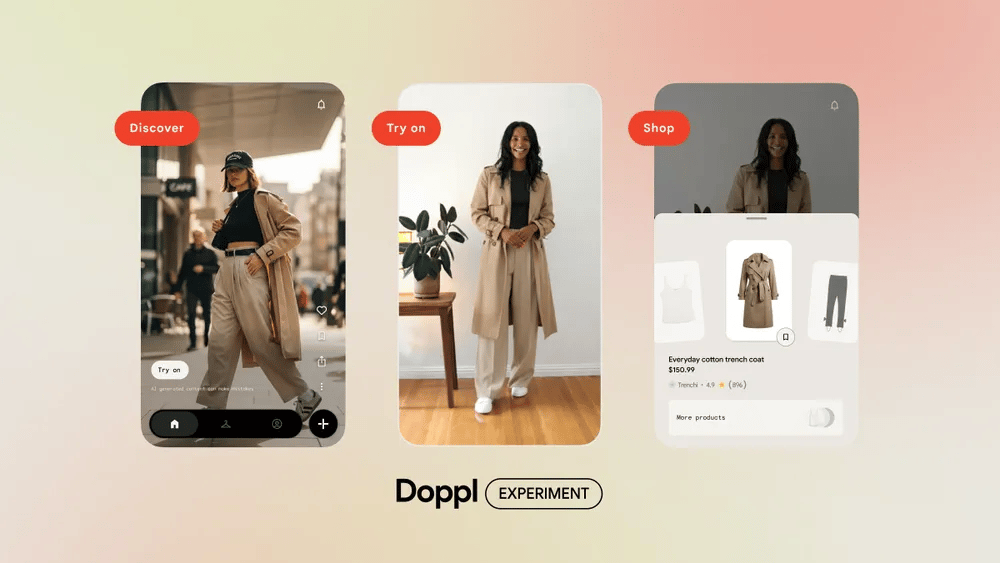
Image Source: Google Blog
Google's Doppl app now lets users scroll AI-generated outfits tailored to their style.
The new discovery feed turns browsing into seamless shopping with virtual try-ons.
Doppl generates videos of real products on a virtual version of you, based on past interactions and preferences.
Nearly all items link directly to merchants for quick purchases.
Available on iOS and Android in the US for users 18 and older.
Builds on existing AI features like converting static try-on images into motion videos.
With this addition, Google aims to compete in e-commerce against Amazon and social platforms.
Personal Take: I’ve got mixed feelings about AI in shopping. I love the personalization and speed, honestly. I sometimes trust its recommendations more than my friends, but my overall comfort has dipped because brands use AI in vague, “just trust us” ways. When the tool is clear and specific, like visual search, I’m fine with it; it’s the fuzzy, unexplained stuff that makes me wary.

Want to get the most out of ChatGPT?
ChatGPT is a superpower if you know how to use it correctly.
Discover how HubSpot's guide to AI can elevate both your productivity and creativity to get more things done.
Learn to automate tasks, enhance decision-making, and foster innovation with the power of AI.
OpenAI has quietly disabled a ChatGPT feature that showed users app suggestions resembling ads, a move prompted by heavy criticism from paying subscribers who said the prompts felt intrusive, commercial and out of place in a premium service.
The company insists these were not advertisements, but rather recommendations for apps built on the ChatGPT platform.
The rollout triggered confusion after Plus and Enterprise users shared screenshots showing what looked like promotions for brands. Many questioned why a paid AI subscription would surface anything that resembled marketing content.
ChatGPT head Nick Turley attempted to put out the fire, telling users there are no ad tests running and that circulating screenshots were being misinterpreted. He emphasized that if OpenAI ever introduces advertising, it will be done transparently and carefully.
The more candid response came from chief research officer Mark Chen, who admitted the company botched the execution. He said anything that looks like an ad must be handled with extreme caution. He confirmed OpenAI has now switched off the suggestion feature entirely.
The company is improving model precision and exploring options for user-level controls to reduce or disable suggestions in the future.
OpenAI recently hired former Instacart and Facebook executive Fidji Simo to build its applications division, widely seen as groundwork for future monetization, including advertising.
For now, OpenAI says it is focused on delivering a cleaner, trust-first user experience as it reconsiders when or whether to surface any kind of recommendations in ChatGPT.
Personal Take: This looks like a classic case of OpenAI testing the waters for future monetization and getting burned by unclear execution. Paid users don’t want ambiguity as anything that even smells like advertising triggers distrust. Turning the feature off was the right call, but the real story is internal tension; OpenAI wants to scale revenue, yet can’t afford to alienate its core subscriber base while Google is breathing down its neck.
Superhero Tools to build your next startup
Webflow: Design, build, and launch custom, responsive sites without touching code.
Bubble: Ship full-featured web apps, databases, workflows, and auth visually with no code.
Airtable: Centralize data and workflows; spin up internal tools and AI-powered apps fast.
Zapier: Orchestrate AI and automate across 8,000 apps, agents, chatbots, and workflows.
Dodo Payments: Merchant of Record + global payments and flexible billing for SaaS/AI tools.
How to create games with Replit
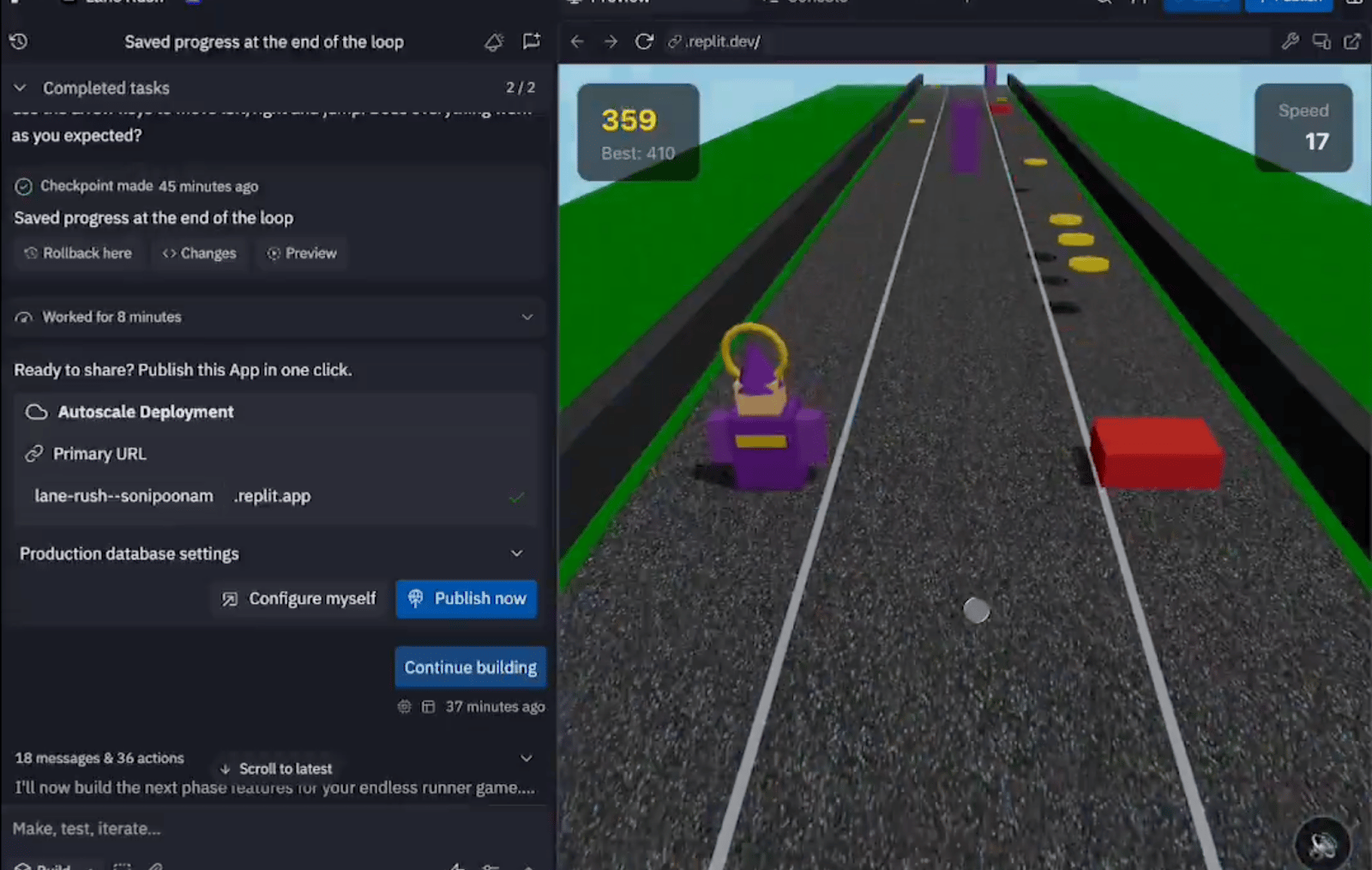
Replit is an easy AI tool that helps anyone build real web apps and websites without coding much. You just tell it your idea in simple words, and it makes a working app for you. It works great for mobile apps, web apps, games, or AI agents, and everything runs in your browser.
First, go to replit.com and sign up or log in for free.
Once you are in, click the big button that says "Create" or the plus icon to start a new project.
Pick what you want to make, like a web app or mobile app, from the options.
Now type a simple idea in plain English into the chat box, like "build me a …"
Hit the Generate or Start Building button and wait just a few minutes while Replit Agent thinks and creates your app.
It will show you a preview right away so you can see it working.
If you want to change something, just tell the agent more details, like "make the buttons bigger and add colors." It will fix and improve the app on its own, even adding things like databases or login if needed.
When it looks good, click the deploy or run button to make it live on the web with its own link.
Test it on your phone or share it with friends.
Click here to try it yourself right now. Go build something fun like a to-do list or game, then reply back here with what you made and a link to your output.
Quick AI News Bites
Instacart launched an app inside ChatGPT that lets people shop from 1,800+ retailers and pay with Instant Checkout without leaving the chat. Built on Agentic Commerce Protocol and powered by Stripe, it turns recipe ideas into a ready‑to‑order cart in one conversation.
New Sensor Tower data shows ChatGPT’s monthly active users grew only ~6% from Aug–Nov 2025, suggesting early saturation even as it still leads the market. Meanwhile, Gemini accelerated with faster download growth, MAU growth, and time‑in‑app.
Hinge introduced AI‑powered “Convo Starters” that generate tailored opening tips based on a match’s photos/prompts to move beyond dull small talk. Hinge says daters are more likely to connect when likes include a message; AI aims to boost that behavior.
Google outlines how Gemini in Chrome fights indirect prompt injection with a separate “User Alignment Critic” that vets every action. Key explainer: Google explains Gemini in Chrome’s agentic browsing security, protections. Agent Origin Sets limit what the agent can read/click, and Chrome pauses on banking, password use, and purchases for your approval.
Boost revenue and gain new customers by partnering with us
Reach over 35K AI enthusiasts with your product.
Join our newsletter to connect with tech professionals, investors, engineers, managers, and business owners worldwide. DM now!
Got feedback, a story worth toasting, or a wild tech question? I’d love to hear from you; just reply, or find me on X.
Cheers,
— Poonam Soni