- AI Toast
- Posts
- Google's new tool to build AI Agents
Google's new tool to build AI Agents
Plus: Turn simple ideas into visual projects with Google's Mixboard

Poonam Soni
December 05, 2025
In partnership with

Welcome to AI Toast!
Here’s what’s on the menu today:
Google launches a no‑code AI agents for everyday work
Anthropic Acquires Bun Amid IPO Dreams
AI Giants fall short of Global Safety Standards
Superhero Tools to build website & apps
Step-by-step tutorial on how to use google mixboard
Quick AI Toasts: Chicago Tribune sues Perplexity
Total read time: About 5 minutes, perfect for a quick coffee break.
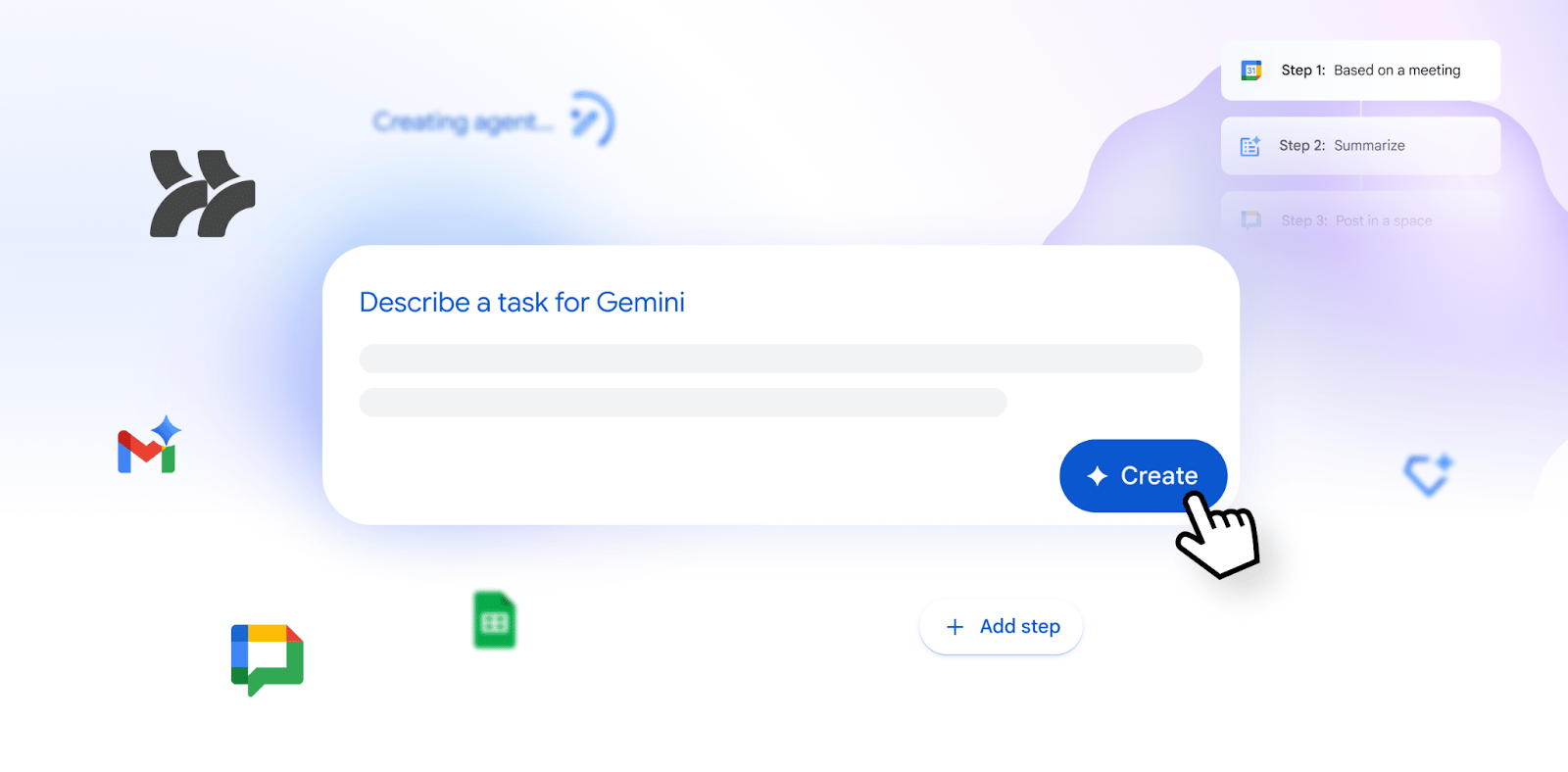
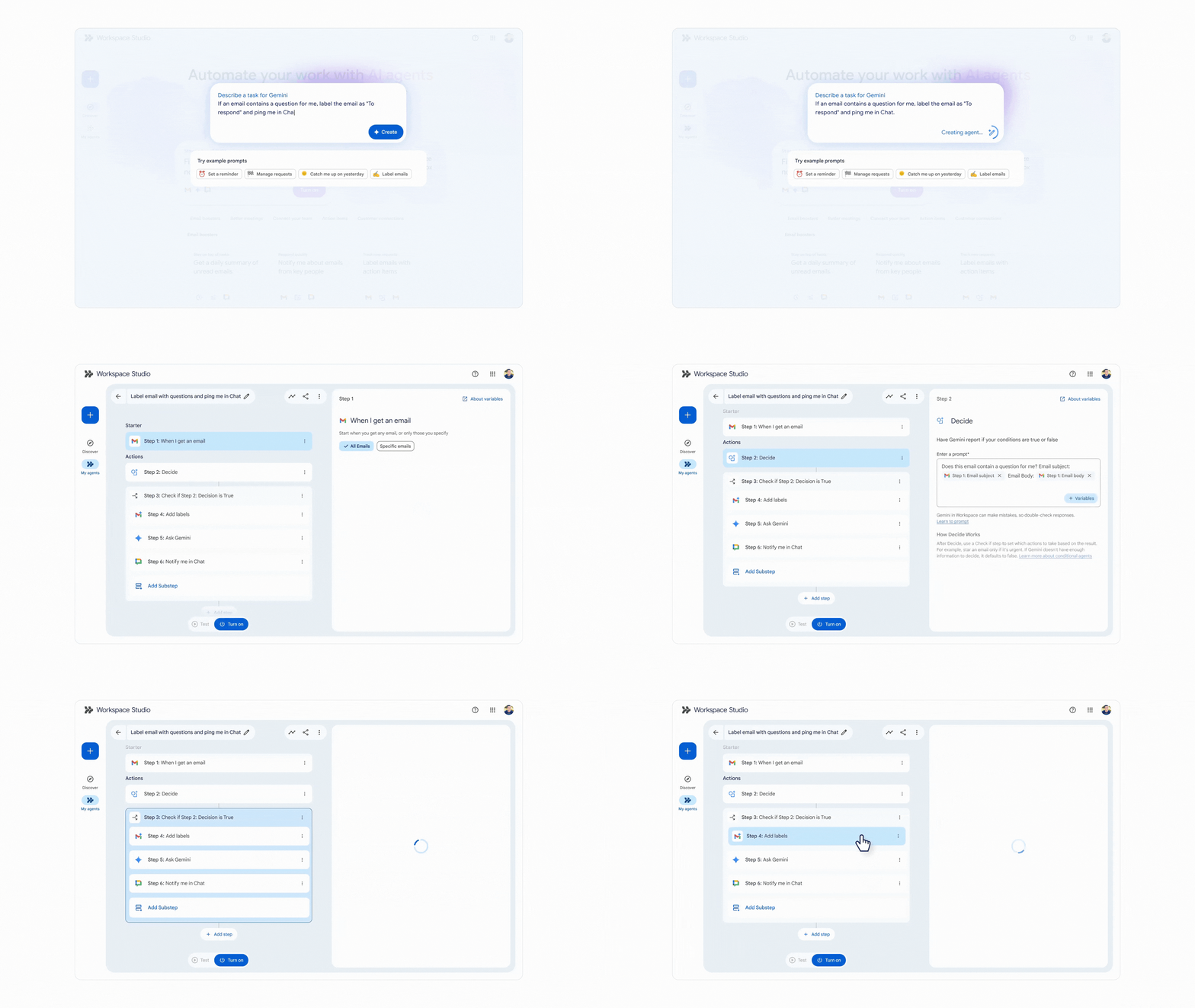
Google Workspace Studio is Google’s new way to let anyone inside a company create AI agents that live inside Gmail, Docs, Sheets, Chat, and Calendar, without writing code.
These agents use Gemini 3 to read context, reason through multi-step workflows, and then do the boring coordination work for you.
You build agents from three pieces: Starters (triggers like time, new email, or form submission), Steps (actions like draft a reply, update a doc, or send a Chat ping), and Variables (dynamic fields such as sender, Gemini’s response, or extracted invoice numbers).
Gemini 3 lets these agents move beyond “if-this-then-that”: they can detect which emails actually contain questions, pull out action items, run sentiment checks, prioritize tasks, and generate content in your voice.
Workspace Studio is accessible via a dedicated site and a shortcut in the top-right of Workspace apps, where users can discover templates, manage “My agents,” and inspect activity for what each agent has done.
Agents plug into core Workspace apps and can be extended into tools like Asana, Jira, Mailchimp, and Salesforce, plus internal systems via Apps Script and Vertex AI connectors.
Early adopters like Kärcher are chaining multiple agents to review product ideas, assess technical feasibility, propose UX flows, and auto-draft user stories, cutting planning work from hours to a couple of minutes.
Google is rolling out over the next few weeks to a wide range of Business, Enterprise, Education, and Gemini add-on tiers, putting agent building in reach of most paid Workspace customers.
This shifts Workspace from being just a set of apps into a canvas where non-technical employees build their own lightweight “ops bots.” Over the next few years, the skill will be less “how fast can you reply” and more “how well can you design and supervise agents that reply for you.”
Personal Take: Studio marks a shift from “automation as a developer project” to “automation as everyday work.” If you can describe the task, you can likely automate it and then share it with your team. You can just stitch apps together with context‑aware agents that reduce handoffs, meetings, and manual consolidation.
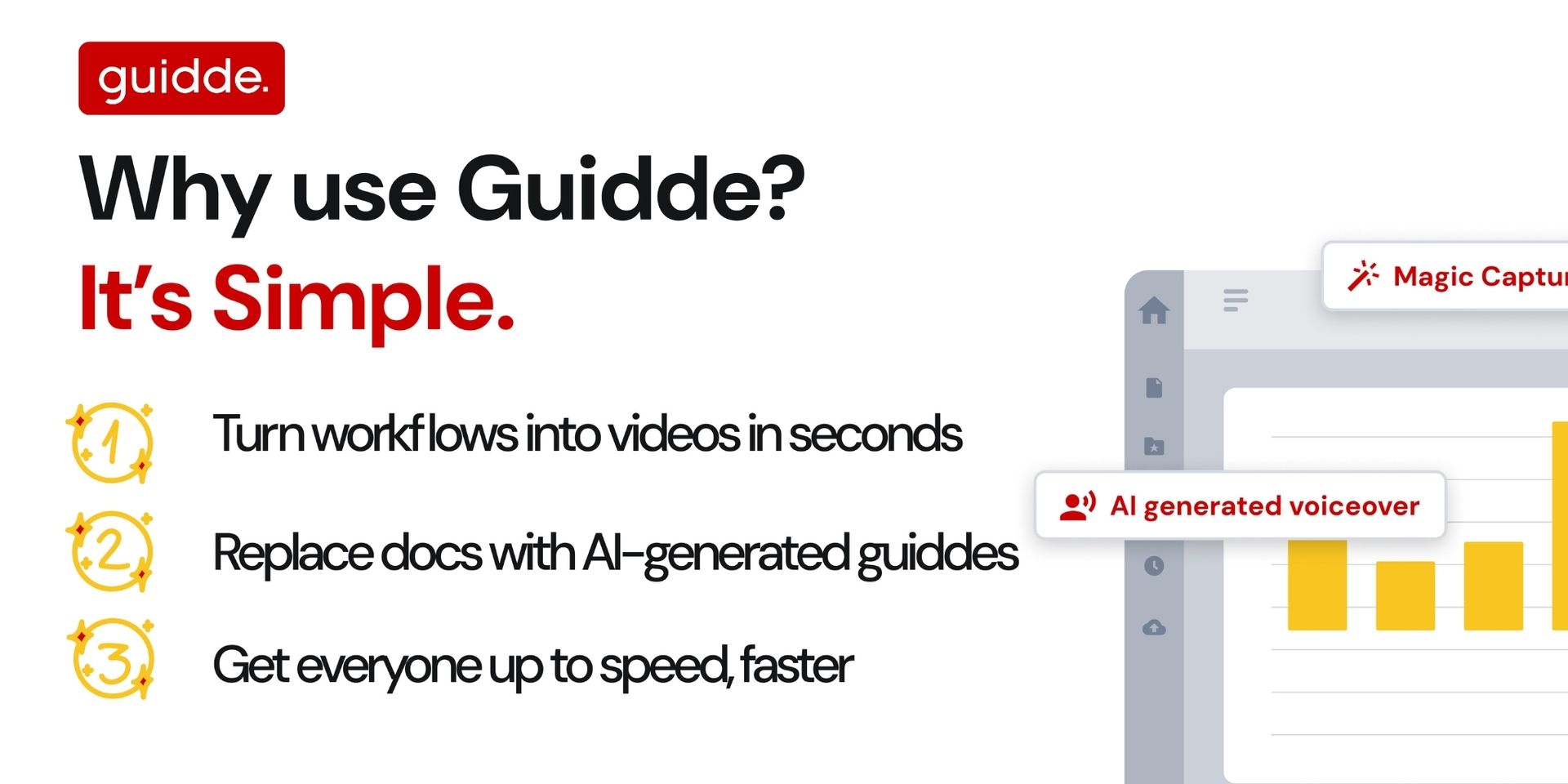
Revolutionize Learning with AI-Powered Video Guides
Upgrade your organization training with engaging, interactive video content powered by Guidde.
Here’s what you’ll love about it:
1️⃣ Fast & Simple Creation: AI transforms text into video in moments.
2️⃣ Easily Editable: Update videos as fast as your processes evolve.
3️⃣ Language-Ready: Reach every learner with guides in their native tongue.
Bring your training materials to life.
The best part? The browser extension is 100% free.
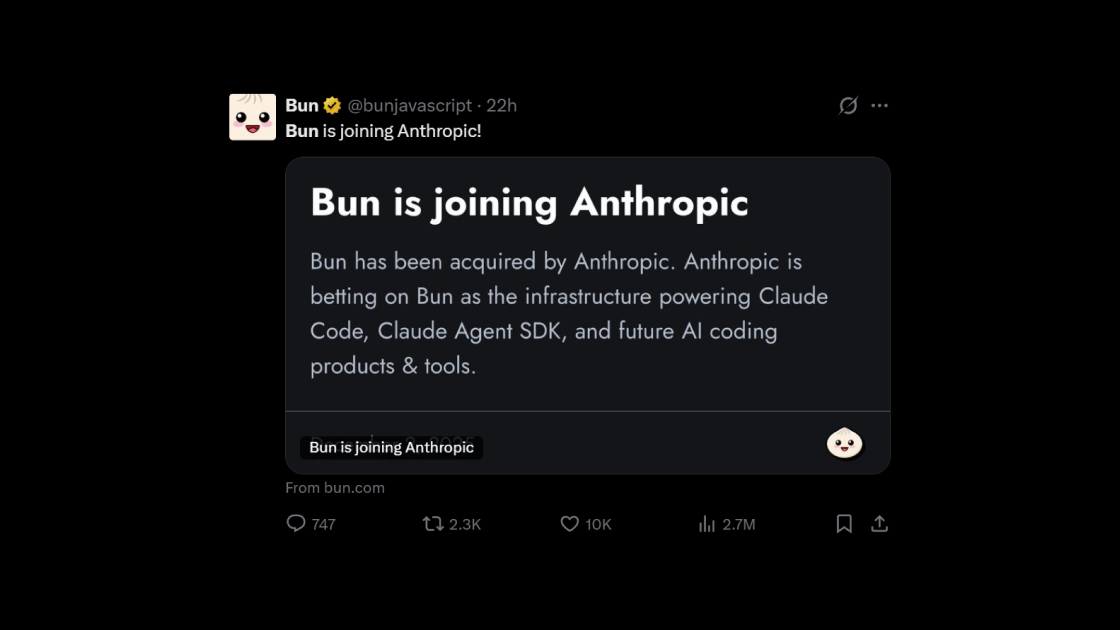
Claude Code hit $1 billion in run-rate revenue six months after public launch. Anthropic bought Bun, a fast JavaScript runtime, to boost its performance.
Claude Code started as an internal experiment and now serves enterprises like Netflix, Spotify, and Salesforce.
Bun, founded by Jarred Sumner in 2021, acts as runtime, package manager, bundler, and test runner for JavaScript and TypeScript.
It has over 7 million downloads and 82,000 GitHub stars, with adoption by Midjourney and Lovable.
The acquisition speeds up Claude Code workflows, including its native installer, while Bun stays open source and MIT-licensed.
Anthropic's Chief Product Officer Mike Krieger praised Bun's first-principles rethink of developer tools.
Bun's speed will shape how AI handles JavaScript-heavy apps. In two years, most enterprise codebases could run on similar runtimes, making slow tools obsolete.
Personal Take: I’m blown away that Anthropic is quietly lawyering up for a 2026 IPO at over $300B; it feels like the entire AI gold rush just got its first real finish line. The same week the IPO news leaked, they snatched Bun in their first-ever acquisition, instantly locking in the fastest runtime for Claude Code’s $1B ARR rocket ship. To me it’s crystal clear: they’re stacking every possible moat before going public and daring Wall Street to price the future of agentic coding.
Don’t get SaaD. Get Rippling.

Remember when software made business simpler?
Today, the average company runs 100+ apps—each with its own logins, data, and headaches. HR can’t find employee info. IT fights security blind spots. Finance reconciles numbers instead of planning growth.
Our State of Software Sprawl report reveals the true cost of “Software as a Disservice” (SaaD)—and how much time, money, and sanity it’s draining from your teams.
The future of work is unified. Don’t get SaaD. Get Rippling.
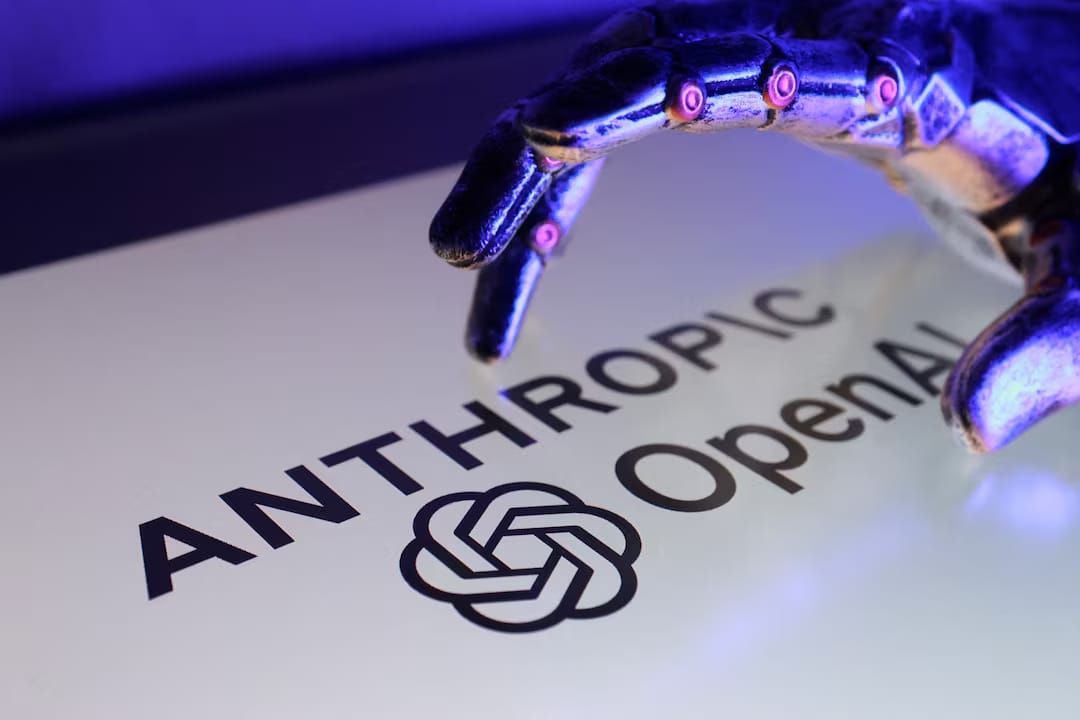
Image Source: Reuters
A new assessment from the Future of Life Institute warns that major AI developers, including Anthropic, OpenAI, xAI, and Meta are nowhere near meeting emerging global safety expectations.
An independent expert panel evaluated the companies’ safety practices and found no evidence of a credible strategy to control future superintelligent systems, despite their rapid push toward increasingly powerful models.
The report arrives amid rising public concern over AI’s real-world harms, including multiple cases of self-harm and suicide linked to AI chatbots capable of persuasive reasoning.
“Despite uproar over AI-powered hacking and AI driving people to psychosis and self-harm, U.S. AI companies remain less regulated than restaurants,” said Max Tegmark, MIT professor and president of the Future of Life Institute.
The organization, founded in 2014 and early on supported by Elon Musk, has long warned that unchecked AI development poses existential risks.
The broader AI race continues to accelerate, with tech giants committing hundreds of billions of dollars to scaling machine learning capabilities.
In October, leading scientists including Geoffrey Hinton and Yoshua Bengio called for a moratorium on superintelligent AI, arguing that development should stop until society explicitly demands it and the science proves a safe path forward.
Google DeepMind responded that it will keep “innovating on safety and governance at pace with capabilities,” while xAI replied with “Legacy media lies,” in what appeared to be an automated message.
Personal Take: The findings reflect a widening gap between the speed of AI capability advancements and the maturity of safety frameworks designed to govern them. As companies race toward systems that could exceed human reasoning, the absence of enforceable standards and the industry’s resistance to them is becoming a critical global risk.
Superhero Tools (For building apps/websites)
Replit: Build full apps and websites fast with an AI coding agent, hosting, and auth.
Lovable: Generate a real, editable full‑stack codebase from a simple prompt in minutes.
Framer: Design and publish beautiful sites visually, with AI layouts and built‑in CMS.
Hostinger AI Website Builder: Create and launch a responsive website quickly with AI, templates, SEO, and hosting.
10Web: Describe your site and get a WordPress‑powered website generated, optimized, and hosted.
A simple, step‑by‑step way to use Google Mixboard

Go to the Mixboard site: Mixboard. Some countries don’t have access yet, so use a VPN if it doesn’t open.
Sign in with your Google account. Click “Get started,” then “New project.” This opens the big, infinite canvas.
Type what you want, and Mixboard will create visuals in seconds. It’s built for fast idea mood boards.
Start with a clear party prompt. Type: “Cozy Autumn Party — warm amber and burnt orange, rustic textures, candles, cinnamon and apple vibes, modern serif and handwritten accents.” Mixboard will give different versions so you can see the style you like.
Click an image to move, resize, and arrange it on the board. You can select more than one image at a time.
Combine two images to make a stronger hero visual. Select both, then choose Combine. For example, combine “autumn leaves pattern” with “string lights” for a warm seasonal look.
Refine a selected image with a simple edit prompt. Click the image, then type: “Add soft candle glow, subtle leaf bokeh, keep the main design intact.” Mixboard edits the same image without making a new one when you ask for edits.
Add party text with variations. Select your hero image and type: “Add headline: ‘Cozy Autumn Party’, subhead: ‘Saturday, 6:00 PM — Backyard Gathering’, CTA: ‘RSVP Today’.” Try a few text placements and keep the one that reads best.
Generate instant mockups to preview your party brand in the real world. Type: “Show this poster on a vertical street billboard at dusk.” Then try: “Show this design on a t‑shirt mockup (cream), a mug, a hoodie, and an invitation card.” Check placement and consistency.
Use “More like this” to get similar options for any image you like. This helps you test small style changes fast.
Delete what you don’t want, keep your best set. Curate the board to your strongest hero image, clean poster, a few social posts, and 2–3 mockups.
Download your final images from the top menu of the selected item. You can also duplicate, remove background, or regenerate from there. Use downloads for posting, printing, or sharing with your team.
Quick AI News Bites
Google is testing merging AI Overviews with AI Mode on mobile for a one-tap jump from summaries to chat. It targets Gemini’s huge user base to make search feel more natural. Publishers worry this tighter integration will cut clicks further.
The EU launched an antitrust probe into Meta’s WhatsApp AI policy that could block rival chatbots’ access. Regulators may impose interim measures and fines up to 10% of global turnover. Complaints came from smaller AI firms relying on WhatsApp for discovery.
Anthropic signed a $200M deal with Snowflake to bring Claude models into Snowflake Intelligence. Claude Sonnet 4.5 will power multimodal analysis and custom agents inside customers’ secure data. It’s a go-to-market push that keeps AI close to enterprise data.
OpenAI issued a ‘Code Red’ warning, pausing ads to focus on ChatGPT speed and reliability. The move responds to Gemini 3 gaining users and benchmark wins. Google’s full-stack silicon and product distribution are the pressure point.
The Chicago Tribune filed a suit alleging Perplexity AI scraped and bypassed paywalls via its Comet browser and used RAG to republish summaries. Unlike training-only cases, this targets real-time content use. A ruling could push licensing for AI search and reshape costs.
Boost revenue and gain new customers by partnering with us
Reach over 35K AI enthusiasts with your product.
Join our newsletter to connect with tech professionals, investors, engineers, managers, and business owners worldwide. DM now!
Got feedback, a story worth toasting, or a wild tech question? I’d love to hear from you; just reply, or find me on X.
Cheers,
— Poonam Soni